Previsualisation Prehistoric Planet: Ice Age
Before a single camera rolled on location, or a single vertex was manipulated in post-production, the foundational visual language of Prehistoric Planet: Ice Age had to be built from scratch. For the team at FPS (Framestore Pre-Production Services), the challenge was dual-fold: telling an engaging story while staying entirely true to the style of documentary filmmaking and maintaining strict scientific accuracy.

Documenting the Unseen
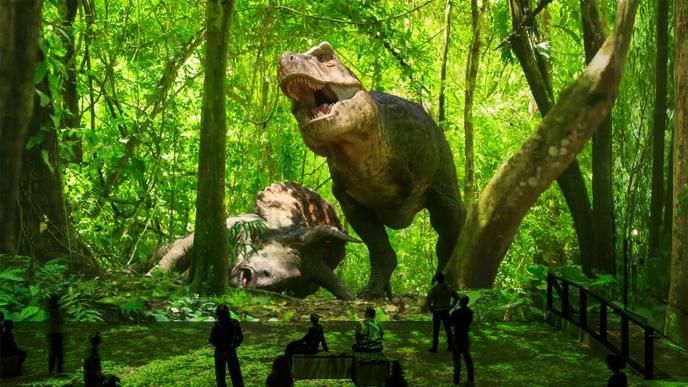
The previsualisation process was an immense undertaking. FPS was responsible for previsualising every single episode of the season, creating over 1,600 unique shots in just a nine-month window. By utilizing 3D scans of the locations, the team was able to "scout" ahead of time exactly where certain scenes and set-pieces would take place, allowing the crew to plan far more efficiently.
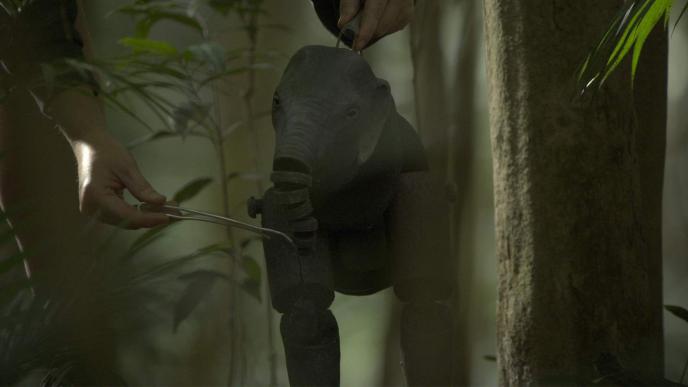
"Having a scene in previs is one of the fastest ways to communicate to an entire team what the intention of each shot is, which is a huge help for everyone on set, including the puppeteers," explains Christopher McDonald, Visualisation Supervisor.
The previs provides the bones from which everyone on set can then continue to flesh out ideas, take inspiration from the incredible locations, and make the most of any unexpected moments that come from the performances.
The Documentary Bible
Unlike typical Hollywood pre-production workflows where cameras fly through environments with physics-defying freedom, FPS treated each moment as though it were an action observed naturally in the wild. Every frame was designed to reflect genuine field filmmaking, an approach that relied on constant scientific interrogation.
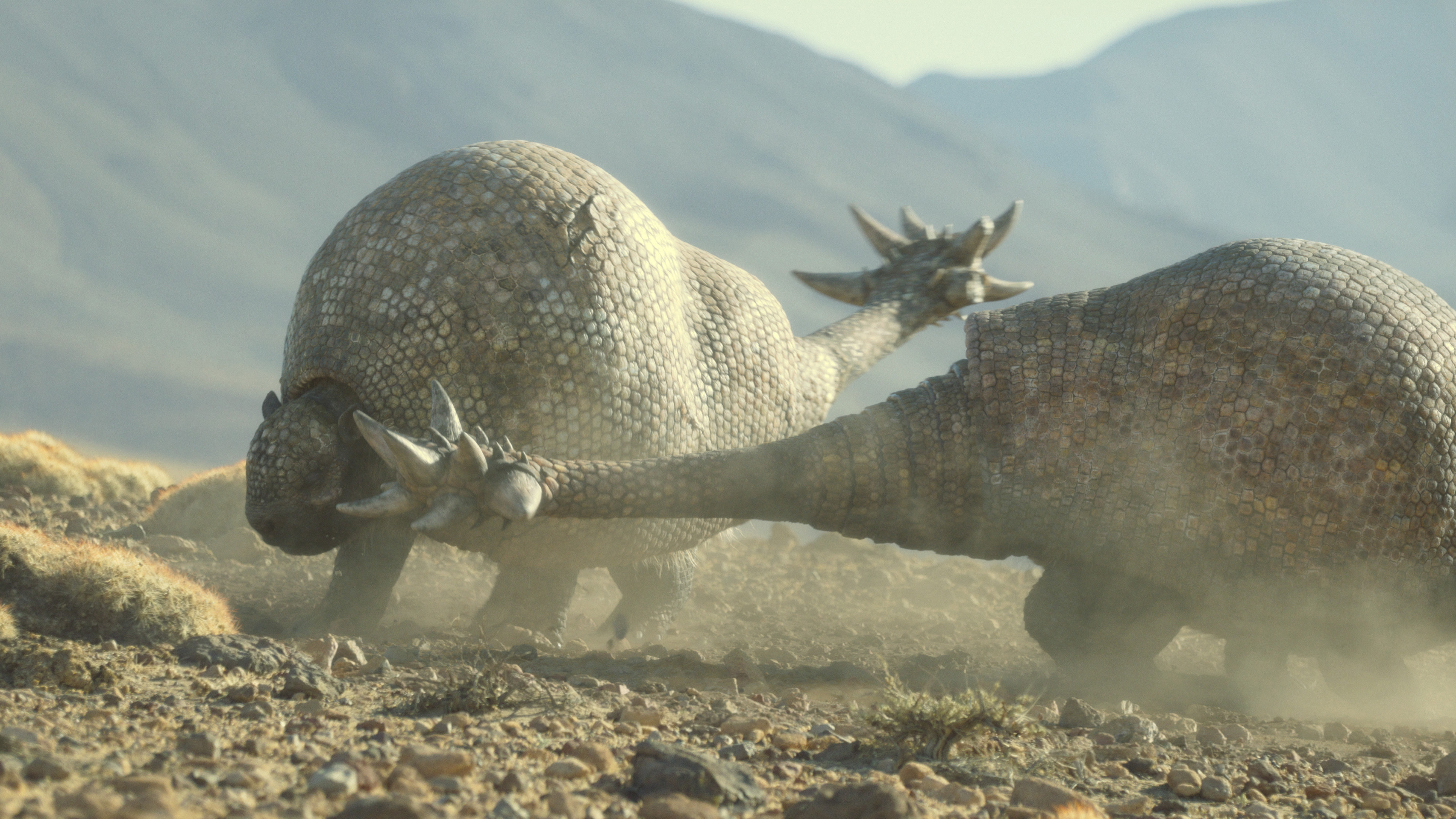
"We would pepper Darren Naish with questions about how each animal behaves, and these conversations would be the basis for the animations that made up each of the key moments of our stories," McDonald notes. "One example that sticks in my mind is the Doedicurus fight, where we would go into detail about what the creatures' range of motion were for their club tails and work out whether each manoeuvre was scientifically accurate as we choreographed the fight."


Once an entire action was animated, often spanning thousands of frames, the team placed cameras in the environment that would be true to how an actual documentary crew would shoot.
"Mike Gunton would often talk us through the rules of documentary filmmaking and what type of actions would be filmed from what kind of setup," says McDonald. "His advice became a bible for us on how to approach each sequence. This style of working is quite different to the usual approach in previs, but it meant that we were able to iterate on ideas for coverage much more quickly and build the scenes more organically in editing. It allowed us to find the unexpected moments that are so crucial to the joy of watching the best documentaries."


Bridging the Prep and the Plate
The detailed templates engineered by FPS did more than just establish edits; they saved invaluable time on location. An on-set supervisor noted that the crew was able to experiment and explore different approaches to shots because the initial coverage was captured much quicker than originally anticipated.
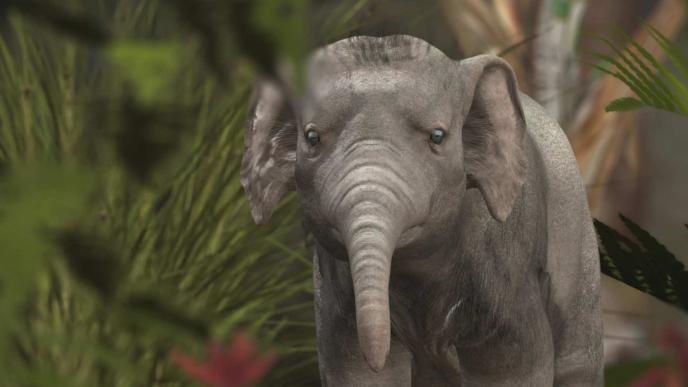
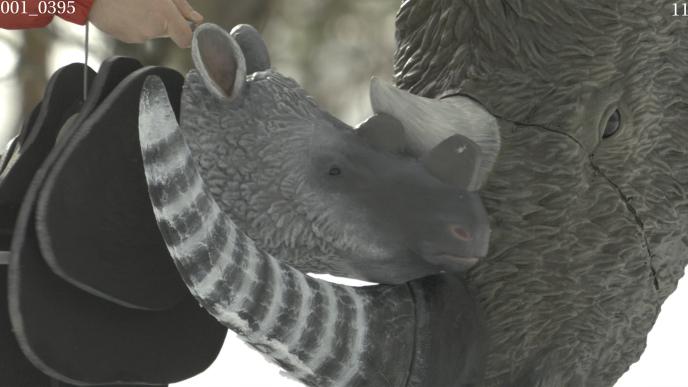
The animations produced by the pre-production team also directly powered the on-location tech. By deploying the previs animations into Farsight GO—Framestore’s proprietary AR app—the field crew could visualize the prehistoric assets in real time on iPads while blocking out actions with the puppeteers.
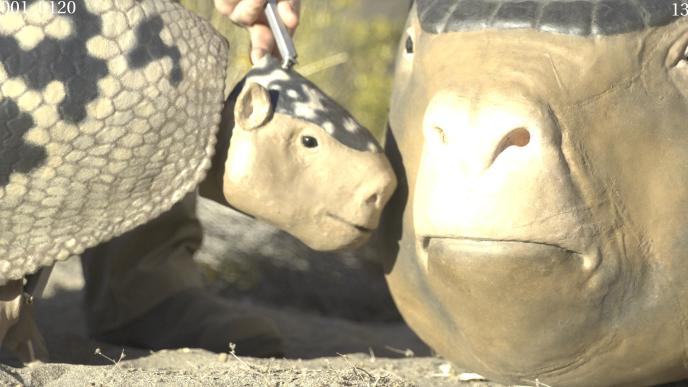
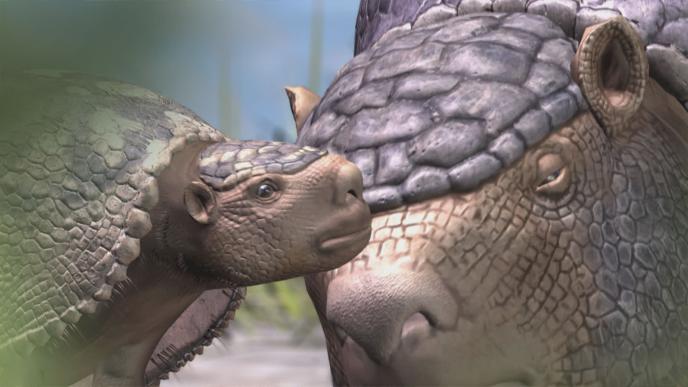
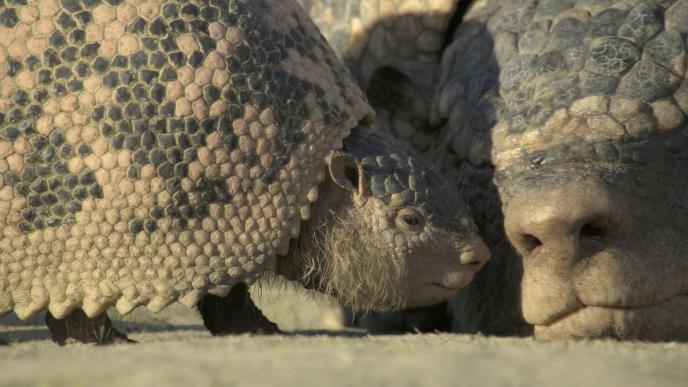
"The animations produced for the previs could then also be used on location in FarsightGo," McDonald explains. "It allowed the team to make the most of any unexpected moments that come from the performances of the puppeteers; all while having confidence that they have the coverage needed to tell the story."
Related Case Studies
Prehistoric Planet: Ice Age
Prehistoric Planet: Ice Age : Art Department