The Sheep Detectives
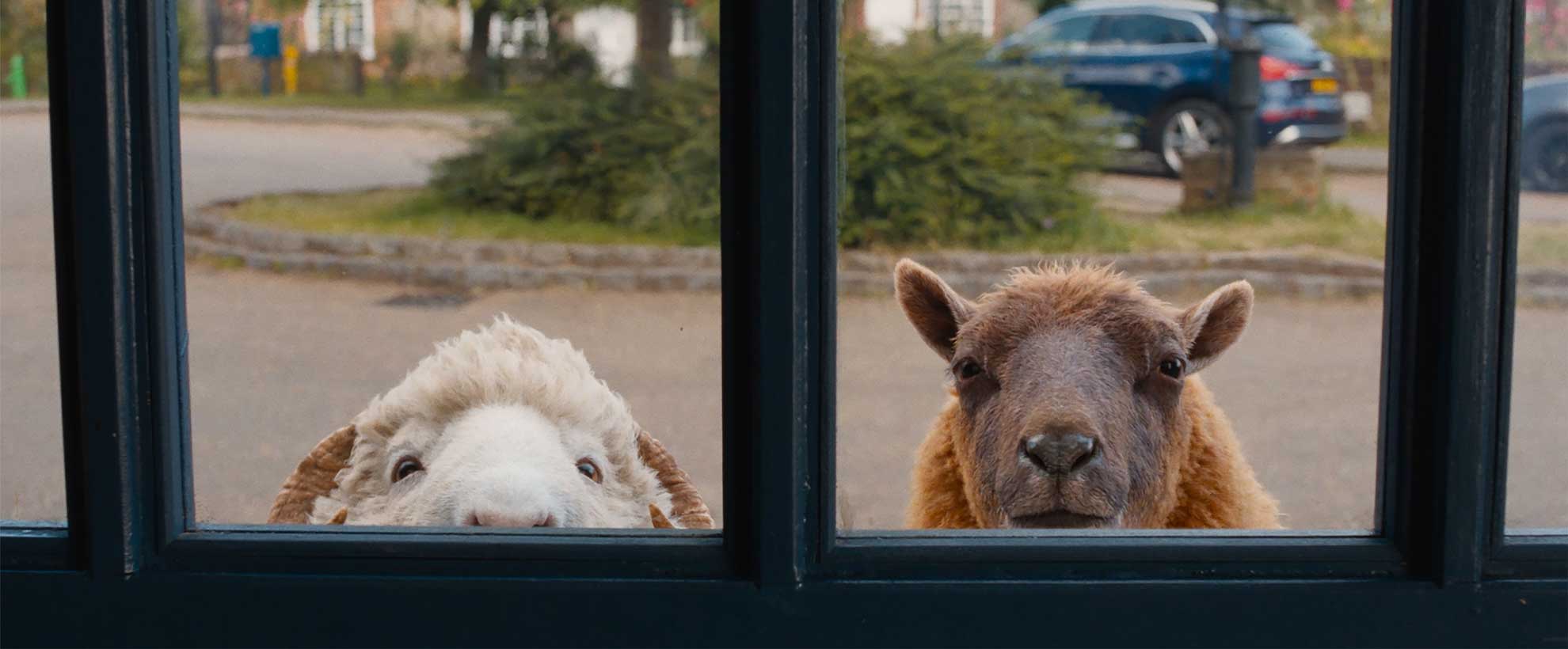
Adapted from the popular book “Three Bags Full” by Leonie Swann, The Sheep Detectives follows a spirited flock of sheep as they attempt to solve the murder of their beloved shepherd, George (Hugh Jackman). Led by Production VFX Supervisor Graham Page, our artists across London, Montreal, Melbourne and Mumbai delivered almost a thousand VFX shots.

Where Pre-Production Met Practical Craft
“Director Kyle Balda’s previous credits lie mostly in the world of 3D animation, so part of our role in pre-production was to introduce the tools we have available and how they can help inform a live action shoot,” recalled Previsualisation Supervisor Chris McDonald. “We knew early on that there would be a certain amount of physical comedy, and so in pre-vis we worked out what of that needed to be done through VFX, and what elements could be practical through SFX.” Alongside previs, tech visualisation (tech-vis) also helped maximise efficiency in pre-production, verifying if the director's desired camera moves were physically possible within the range of motion of a TechnoDolly crane.

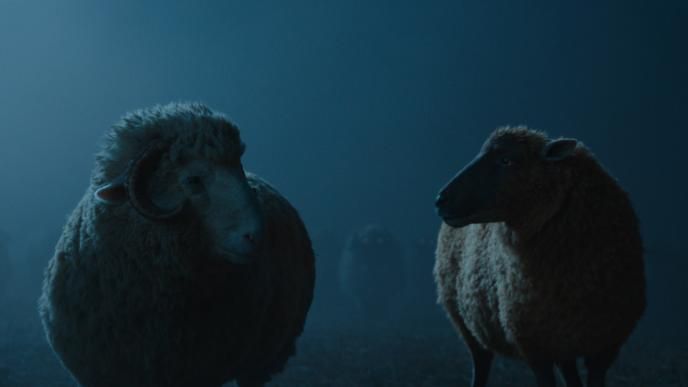
The sequence that took most of FPS’s time takes place in the middle of the film, where Lily and Mopple explore a neighbouring field, and discover another flock, and then an abattoir. A chase sequence ensues as they try to flee. “Building from the storyboards we received, we then looked at how we can control the atmosphere, using camera language and environmental choices to build the tension and raise the threat level. We had to consider the density of the fog, the size of the new herd of sheep, and how they appear into the frame,” comments McDonald. The team spent a lot of time choreographing Sebastian’s fight with the sheep dogs with Production VFX Supervisor Graham Page, using the previs to inform the shoot. “It’s a really emotional moment as Sebastian comes to Lily and Mopple’s rescue, the mood shifts from scary to sad, which required the previs to establish specific camera languages to support those transitions.”
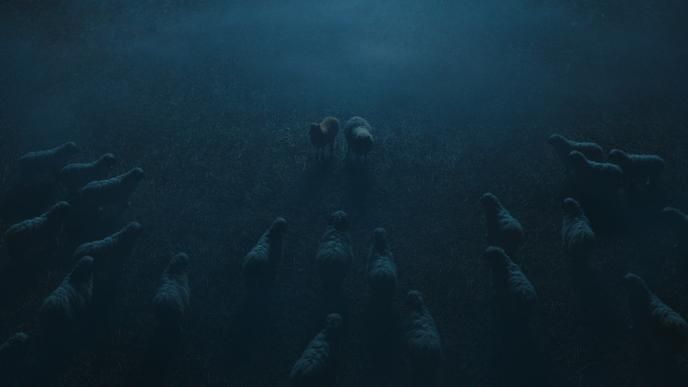
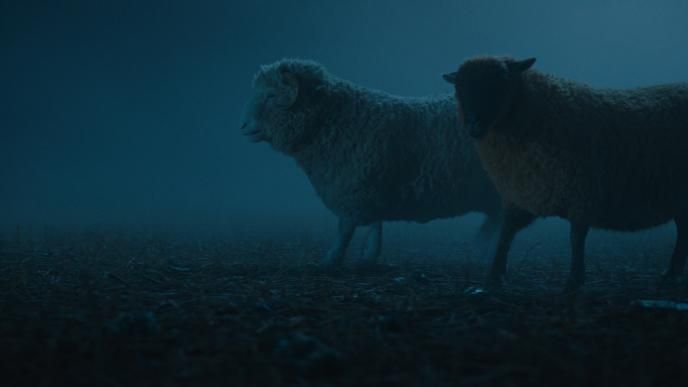
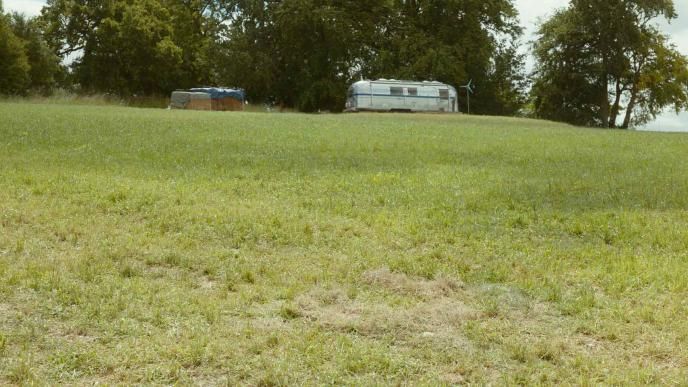
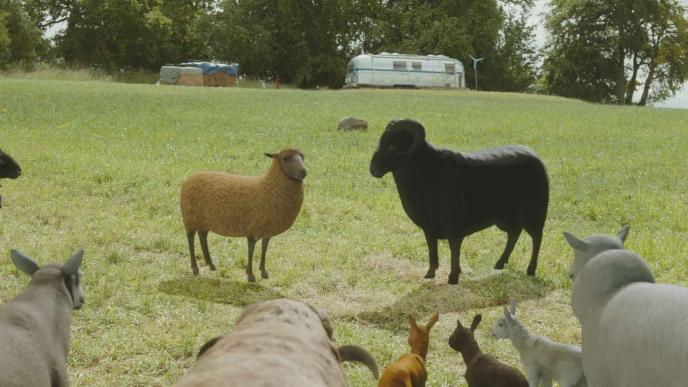
The Sheep Detectives also presented an opportunity for innovation. “The team developed an in-house cloner tool that allows for quick, lightweight, and scalable crowd animation of sheep, which proved helpful for fast crowd simulations,” explains McDonald. “It really helped us remain agile while doing previs for sequences with lots of sheep. It’s very film-maker friendly to be able to scale a crowd up or down quickly, to give an idea of what a more dense or more sparse flock would look like in any particular scene. We could also offset the timings of their walk cycles to make a more natural looking flock out of our cloned sheep.”
Ronnie and Reggie’s Revenge
The final act of the film sees twin rams Reggie and Ronnie repeatedly headbutt a car, damaging its exterior. The stunt was a perfect blend of digital and practical craft as special effects and production design could consult the previs and advise on their own specialities. “It gave us something to look at that helped raise all these different questions from all the different departments involved, so that when it came time to shoot the scene, everybody knew exactly what they were doing and how it had to happen,” comments McDonald. “On the windscreen, for example, in the previs stage Director Kyle Balda decided he wanted the glass to smash and crack on impact of the headbutt. Later in our meetings with special effects, they viewed the previs and understood the vision, taking steps to prepare the glass to get the right effect instead of smashing and falling out of the frame, as car windscreens are designed to do. One singular point of truth for everyone, rooted in the previs.”
Finding the Flock
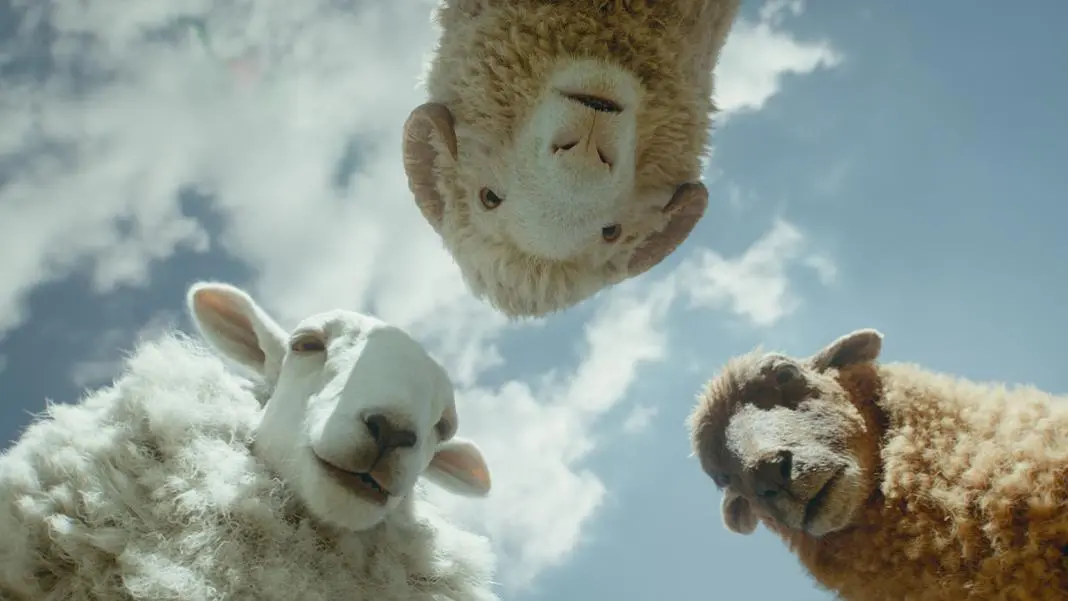
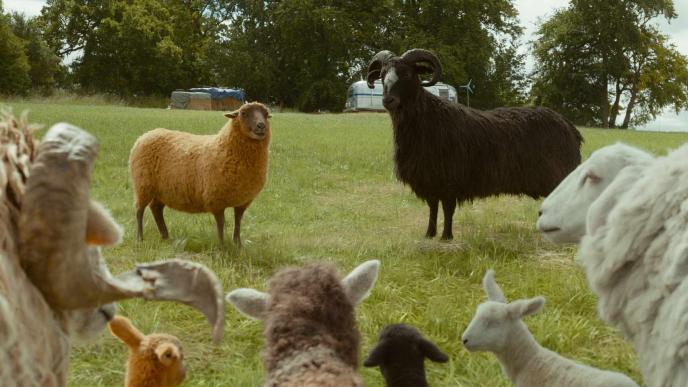
Shot in different picturesque locations across the English countryside, the film required a digital flock of sheep, spanning different breeds and ages. “When it comes to the character design, some of the sheep are direct re-creations of real breeds,” clarifies Melbourne VFX Supervisor Josh Simmonds, “whereas some are an approximation of several different varieties.” Framestore’s Art Department produced some concepts for the hero characters, to help inform the final look.
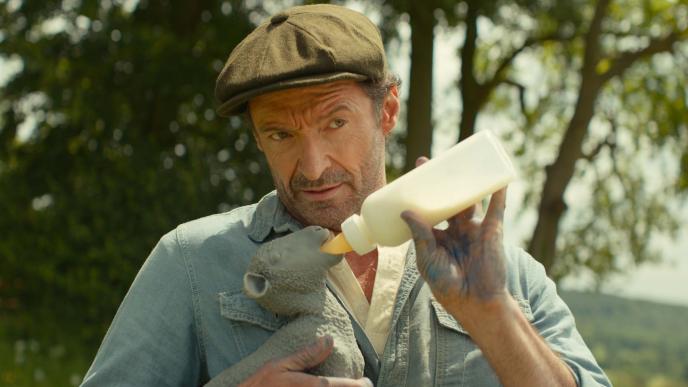
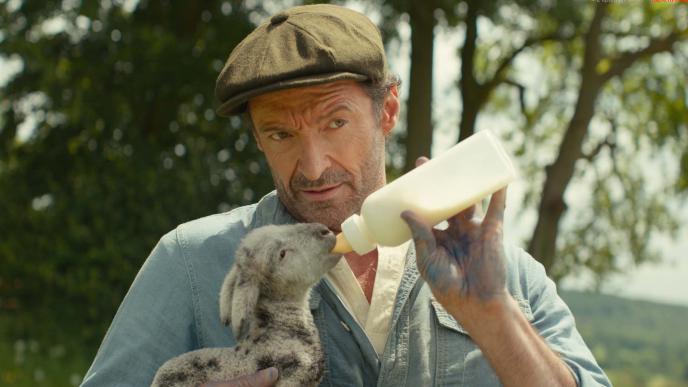
Production Visual Effects Supervisor Graham Page travelled to different farms across the UK searching for sheep of the right breed and temperament to ‘cast’ as live action reference for the film’s leading characters. One of the prime locations was Miller’s Ark, a petting farm an hour from London, where a scanning booth was set up to capture their Shetland Ewe (subsequently named Lily), and Border Leicester sheep Bud (the real life counterpart of Cloud) as well as rival shepherd Caleb’s Swiss Valais and the bouncing spring lambs. “Because Miller’s Ark welcomes the public to interact with the sheep, they’re far less skittish than you might expect. This comfort with people made it easy to position them in the scanning booth, and capture reference footage of their movements - walking, eating, etc,” recalls Page. “We shot reference of their Merino sheep Sam specifically to replicate his walk for the scene where Mopple is led out of the hotel after crashing the reading of the will. He had this gentle amble that was just perfect for the scene.” In total, approximately 50 sheep of different ages and breeds were scanned to use as reference.
The artists began with one template sheep model, from which variants were devised to account for differences in anatomy and groom. This method ensured coherence across the different character builds. “It was particularly useful for crowd simulations,” notes London VFX Supervisor Oliver Armstrong. “And it was much easier to switch between animating one character and another, due to the consistency of the muscle rig underneath the woolly coat, which allowed us to be really efficient.”
Decisions on the character design were made to help strike the balance between photorealism and character performance. “The eyes, for example, are a really important component of any character. They’re how audiences connect, but sheep (being prey animals) have eyes that are on the sides of their head,” explains Animation Supervisor Chris Hurtt. “We worked with our VisDev team to come up with some options but eventually we decided to sacrifice that small part of authenticity and give them front-facing eyes. The story hinges on these characters and their visual delivery of the dialogue from the amazing voice cast. Repositioning the eyes gave us more opportunities for performance, and for the audience to form a connection with our flock.”
Woolly Jumper Bumper
“One of the biggest challenges we faced was our flock’s interaction with the world around them,” says Montreal VFX Supervisor Christian Kaestner, “the film really leans into physical comedy, and the sheep are an important component of that. Everything they touch has to be made digitally, requiring flawless transitions from physical to CGI props.”
“During the reading of the will sequence, we had some particularly complex interactions between the sheep and the set, bashing into furniture and knocking things over, with a pillow case obscuring their vision,” explains Armstrong. “We had to do an intricate cloth simulation to match our CG pillowcase to the real prop ones on the clothing line.”
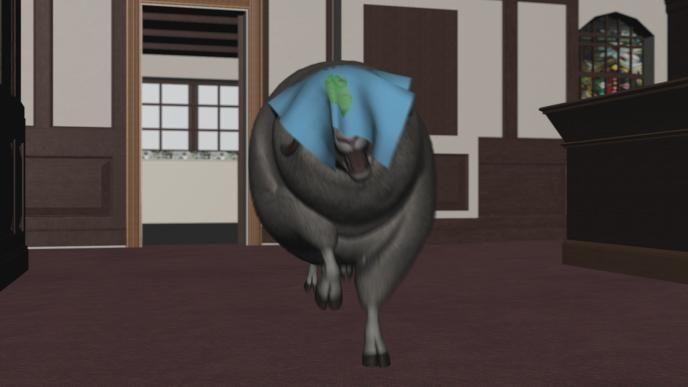
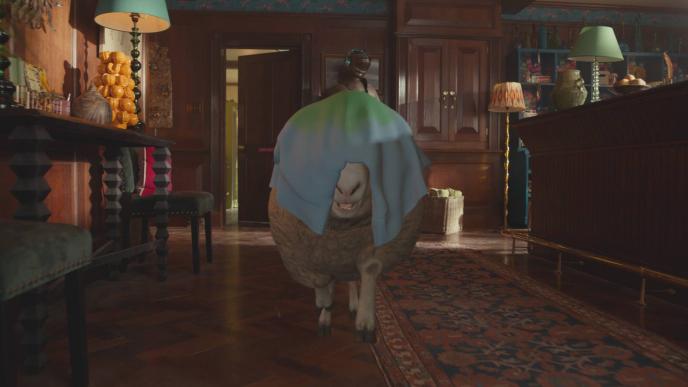
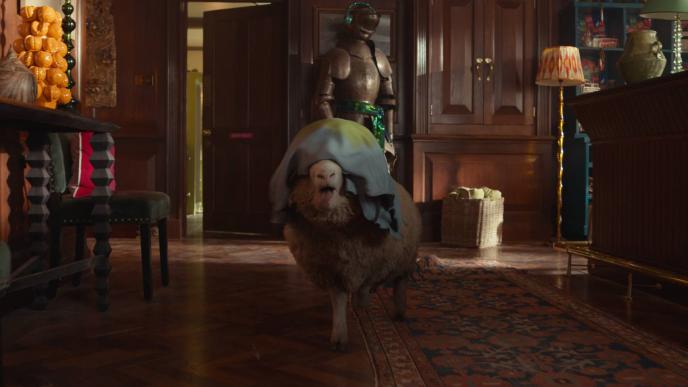
“We have some absolutely brilliant self-tape reference of our animators doing their best sheep impressions, causing carnage in their homes on all fours - knocking into tables and furniture to study how it falls over,” adds Hurtt.
The Sheep Detectives united Framestore’s teams of artists across the globe to deliver a whole flock of characters - walking the delicate line between expressiveness and photorealism - that spins a glorious yarn about loss, grief, and what it truly means to be remembered.

Press
How those adorable sheep in ‘The Sheep Detectives’ were made - Befores & Afters Podcast
Raising the baa: The Aussies who helped bring The Sheep Detectives to life - The Age
Shear brilliance: Inside Framestore's work on The Sheep Detectives - AusFilm
Meet the real Sheep Detectives - Country Life Magazine
Credits
Related Case Studies
Wicked