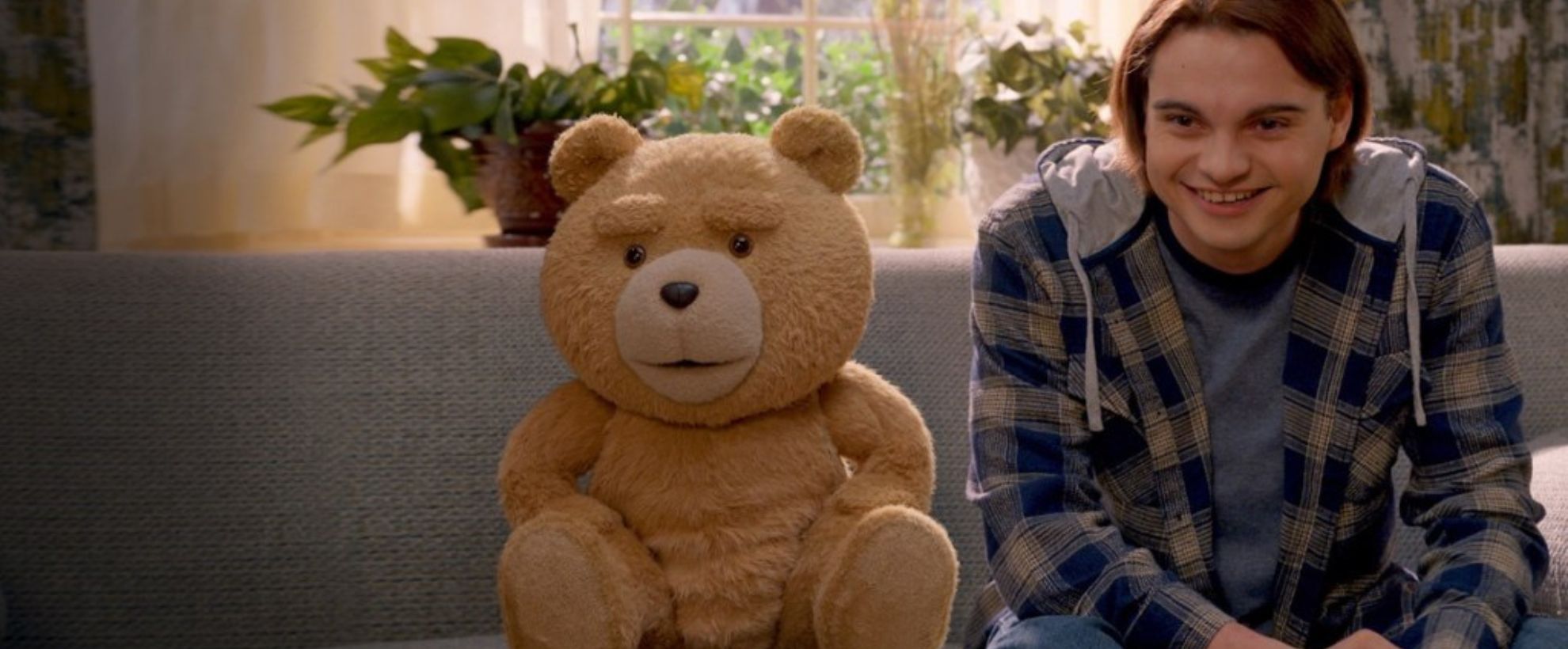
Ted Season 2
Framestore’s Melbourne and Mumbai studios reunite with Seth MacFarlane for a second season of Ted, ushering in a fresh wave of outrageous humour and brilliantly chaotic fun. Streaming exclusively on Peacock, the new season transports us back to 1994, where senior year of high school is underway for everyone’s favourite foul-mouthed teddy bear and his loyal (if slightly awkward) best friend, John Bennett. Still fuzzy, still feral, and still the ultimate troublemaker, Ted dives headfirst into the highs and humiliations of their final year.
Under the supervision of VFX Supervisor Glenn Melenhorst, the Melbourne and Mumbai teams delivered an ambitious and expansive body of work for Season 2, building on the show’s signature charm while raising the bar for performance-driven character animation.
All eight episodes streaming now!

Dialing Up the Bear-ly Contained Chaos
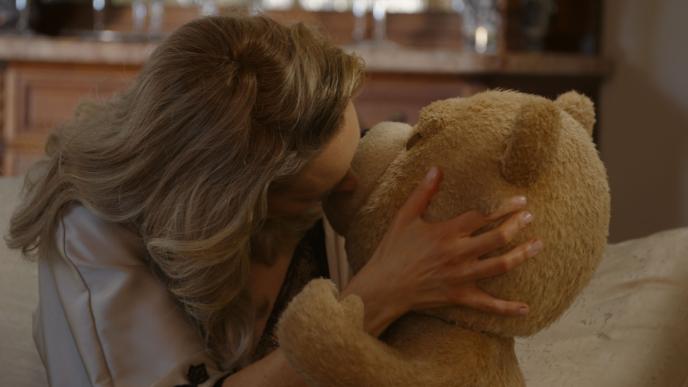
Building on the foundations of Season 1, the team approached Season 2 with a more instinctive understanding of Ted’s unique performance language. Those little quirks, pauses and bursts of chaotic energy are what make him feel less like pixels and more like that one friend who absolutely should not be left unsupervised. As a result, the animation complexity increased significantly, with more dynamic physical interactions, quicker reactions, and greater attention paid to the tiny micro-expressions that land the joke before you even realise why you’re laughing.
“There’s always pressure to make sure Ted performs at the level of the actors around him,” explains VFX Supervisor Glenn Melenhorst. “He can’t feel like a visual effect — he has to feel like a cast member.” Ideally, the slightly inappropriate cast member who says what everyone else is thinking.
Animation Supervisor Nick Tripodi adds, “Our understanding of Ted has definitely matured. We trust our instincts more now — we know where the boundaries are, and, more importantly, exactly when it’s funnier to push past them.
When the writing takes Ted somewhere unexpected, we’re confident in how far we can take the performance while keeping him believable — even when he’s being completely ridiculous.
The result is a more refined, performance-driven Ted — one whose subtle acting choices and sharpened timing elevate every comedic exchange while preserving the irreverent charm audiences love.
More Ted, More Trouble, Bigger Challenges.
For season 2, the team set out to combine feature-level creative ambition with the pace of episodic production. That meant navigating complex interaction gags, heightened physical comedy, and sequences where Ted played a much more active role within the environment. From moments where he fragmented into pieces to tightly choreographed interactions with props and set elements, the work pushed both the scale and complexity of the animation.
All of this had to happen while delivering hundreds of shots every week — which is where the real balancing act came in. The goal was cinematic scale without losing the speed, rhythm, and momentum of episodic production.
It’s one thing to do feature-quality animation. It’s another to do it at episodic speed, across multiple sites, and still maintain consistency. That was the real challenge.
Behind the scenes, Season 2 represented a big step forward. For the first time, the entire Ted character — every version, variation, and questionable wardrobe choice included — was handled fully in-house. With the scope expanding from Season 1, the team had more ownership of the character, tighter collaboration across the pipeline, and more freedom to evolve Ted in new ways.
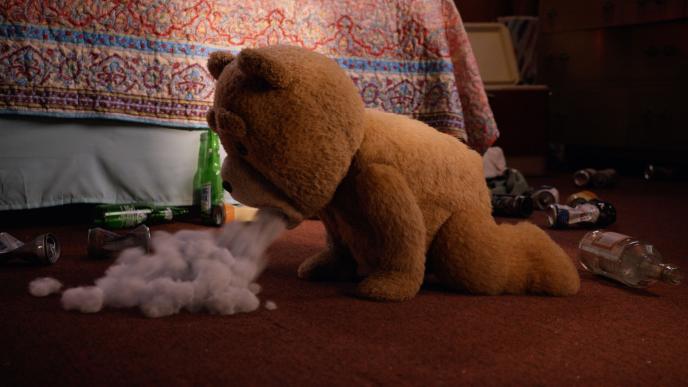
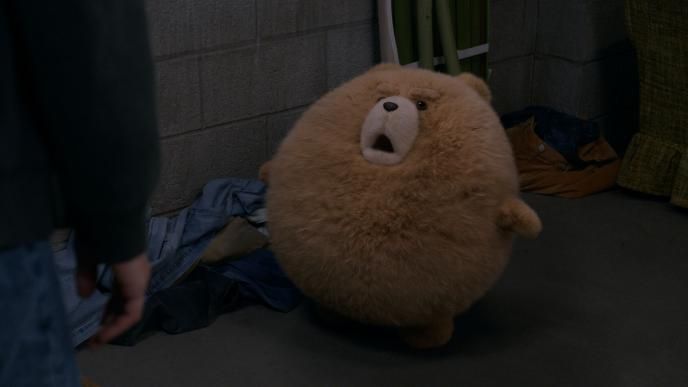
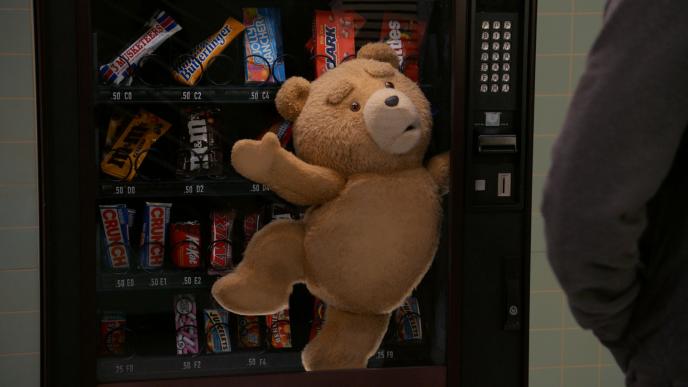
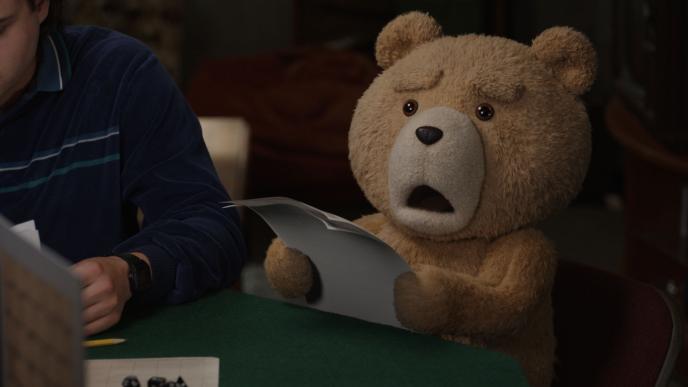
That also meant supporting a wide range of scenarios and looks across the season. From Ted turning up in full guard costume during the school play, to getting stuck inside a vending machine, emerging puffy after an unfortunate dryer incident, battling a very rough hangover, or appearing as a lute-playing D&D bard mid-performance — the variety of scenes pushed both the animation and character setups in fun, unexpected directions.
With roughly a third of the animation team in Mumbai, the process became a true Melbourne–Mumbai collaboration. Daily syncs, shared performance references, and a mutual understanding of Ted’s very specific brand of chaos helped keep everything creatively aligned across time zones.
“With a team this size and spread across locations, having a clear rule book for Ted was essential,” notes Tripodi. “It meant everyone had a shared understanding of how far he could go — physically, comedically, and occasionally emotionally — which helped us move quickly while keeping his performance consistent (and his chaos properly calibrated).”
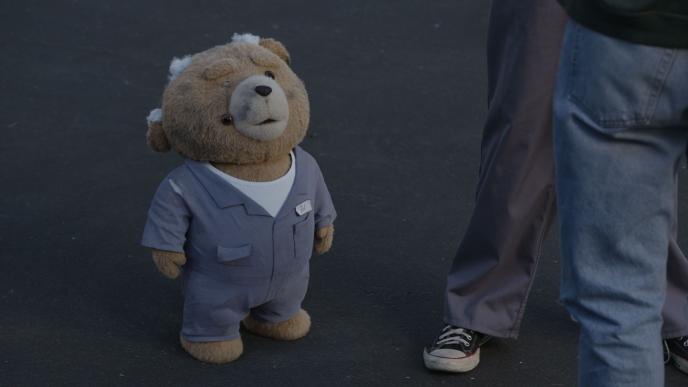
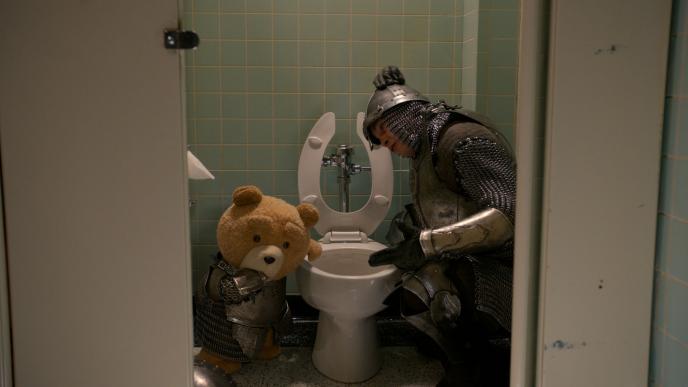
All of this comes together in a season that doesn’t just scale up the craft — it reflects the growing confidence behind it. The gags are bigger, the execution sharper, and the pipeline fully equipped to keep up with a teddy bear who, quite honestly, has no intention of behaving himself.


Credits
Related Case Studies
American Horror Story: 13
The Diplomat Season 4
Percy Jackson and the Olympians S3
The Titan's curse is upon us. Percy Jackson & The Olympians Season 3 premieres November 20 on Disney+.