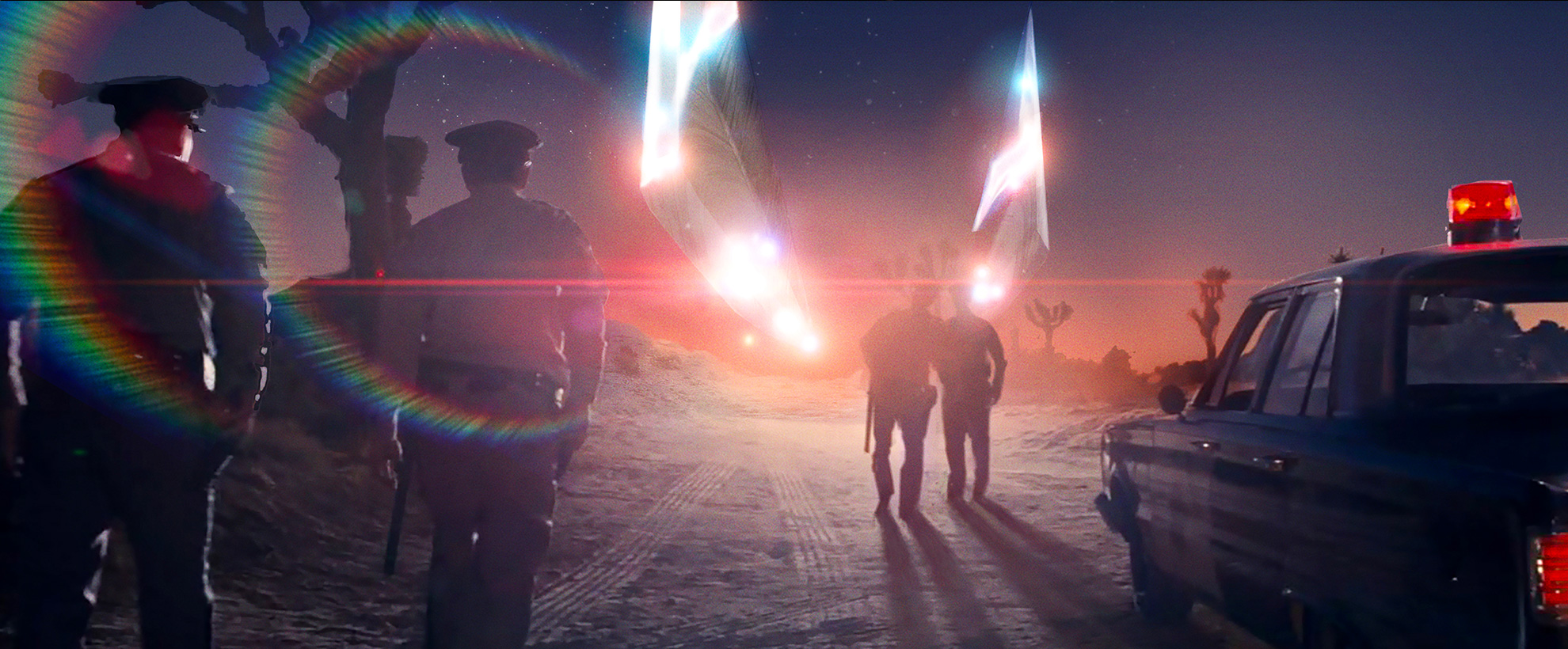
Disclosure Day: Art Department
Framestore’s Art Department reunited with Production Designer Adam Stockhausen to design the mysterious aliens and their ship for Steven Spielberg’s much-anticipated return to science-fiction. With Martin Macrae at the helm, Dan Baker in the cockpit for the ship designs and Sam Rowan nurturing the alien designs into life.

The UFOs
For Disclosure Day’s mysterious alien spacecrafts, Framestore’s Art Department needed to depict solid, functioning crafts emerging from the clouds, rather than plasma or energy-based UFOs. The creative challenge was a dream come true for Art Director Dan Baker.


“UFOs and related phenomena have been a passion of mine since childhood,” says Baker. “I revisited historical sightings like the Calvine photo, which features a distinct diamond shape, and crash sights like Roswell and Kecksburg to incorporate elements of those into the UFO design.”


The main challenge was to design recognisably alien and awe-inspiring designs that would remain obscured by clouds and lens flares. “We had to find the balance of showing just enough to make an impact on the audience,” Baker explains. “We iterated on the designs with various levels of detail and functionality of the craft, ultimately choosing to obscure most of it to preserve the sense of mystery.”


With the film’s alien conspiracy dating back to the 1940s, the Art Department needed to replicate the aesthetic of old cinema footage in their designs, lending a sense of historical authenticity to the film’s dramatic reveal.


The Aliens
Director Steven Spielberg wanted to maintain the traditional and recognisable ‘Grey Alien’ look for the film’s extraterrestrials, which are revealed to have been imprisoned and experimented upon for decades by the government. A task Sam Rowan mainly undertook.


“The main challenge was landing on a design that felt original, while adhering to the audience’s ingrained expectation of the ‘Grey Alien,’ with its large head and eyes. We paid a lot of attention to details like rib cages and how their skin would interact with lighting, to create something that didn’t feel generic.”

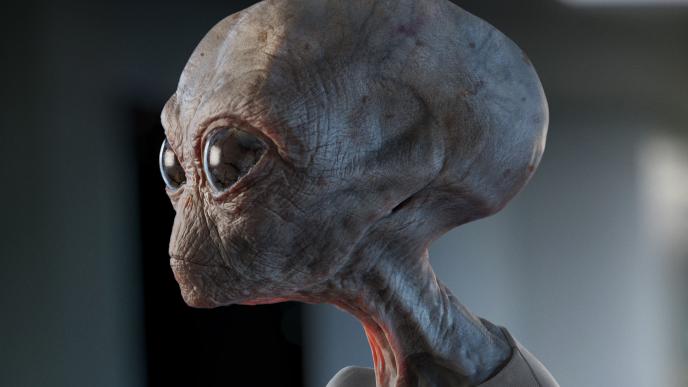
Rowan wanted to emulate the distinct, non-human quality often described in accounts of alien abduction. “Our design maintained a sagacious facial expression,” he adds. “We described it as being fish-like, in that you can’t look into its eyes and relate to it on a human level. To elicit some sympathy from the audience, we added subtle brow movements and extensive wrinkles, with the idea that the alien’s been on earth so long it learned to slightly mimic our expressions.”
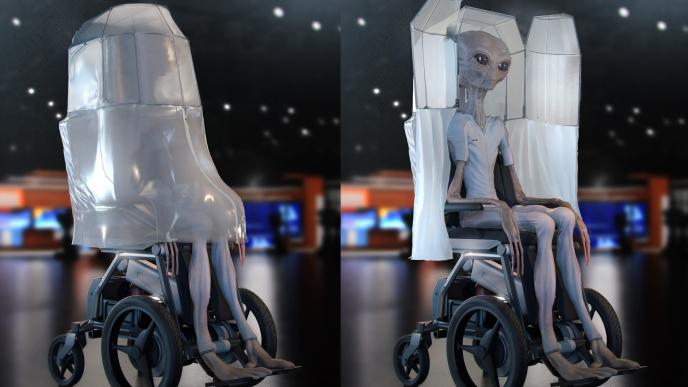
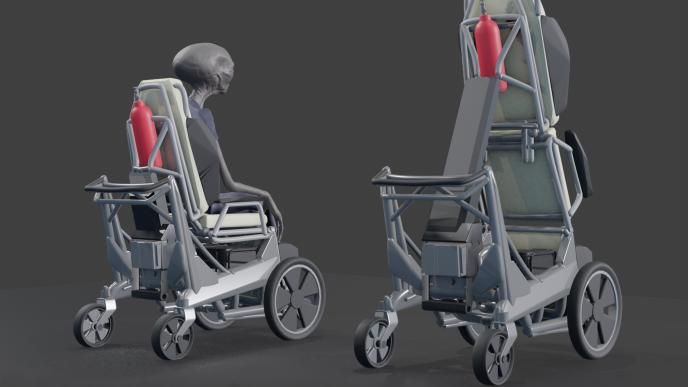

Design elements like leg length and posture were influenced by the need to interact with a custom wheelchair and medical equipment, also designed by the Framestore Art Department. “The idea was to have this very old alien sit in an adapted but familiar medical apparatus,” Rowan explains. “That familiarity grounds the audience in the reality of the scene.”