F1
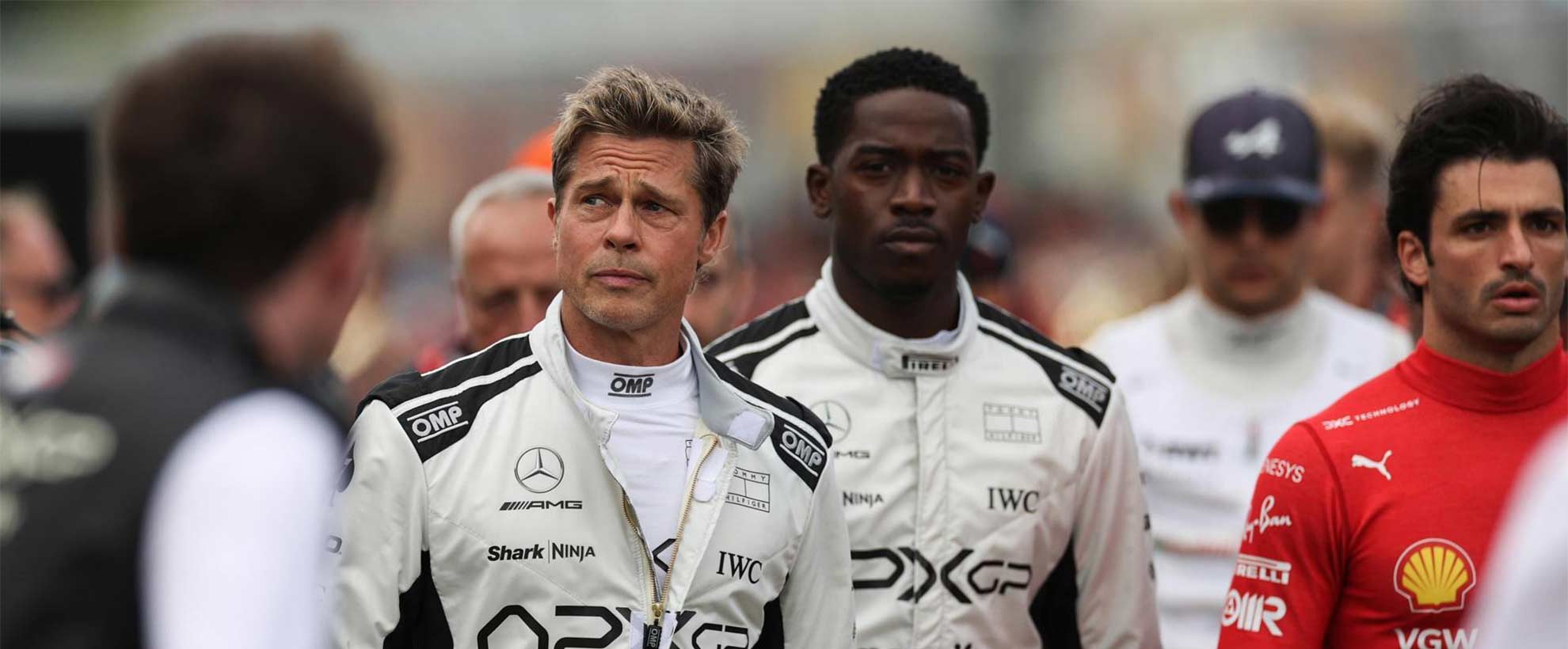
F1 is an upcoming American sports action drama film directed by Joseph Kosinski with a screenplay written by Ehren Kruger, from a story the two co-wrote, featuring the Formula One World Championship, created in collaboration with the FIA, its governing body.
Awards


Crafting the Speed of Real Racing
From the outset, Kosinski made his intentions clear: F1 would be the most authentic racing film ever made. No hyper-stylisation, no obvious CG, just the raw speed and genuine danger of real motorsport. Ryan Tudhope was deeply embedded in the production process, working hand-in-hand with Kosinski, cinematographer Claudio Miranda, ACE editor Stephen Mirrione, the stunt team, and actual Formula 1 crew to design a flexible, camera-forward workflow that preserved the real-world drama of motorsport.
"Our job was to deeply understand the integration of real cars, precision cameras, choreography, and the inherent risks drivers face. Our goal was to honour the incredible stunt work, photography and performance captured on the track,” said Tudhope.


We wanted the audience to feel like they were truly behind the wheel.


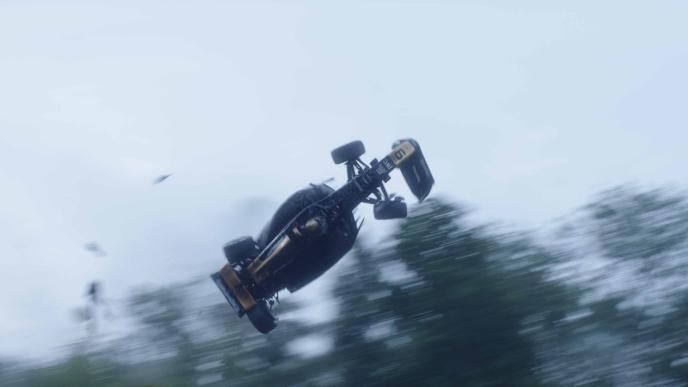
Framestore’s FPS team was integral from early development, delivering detailed previs and techvis for key racing sequences and crashes. Led by Francisco Pacheco Beltran, the team used Unreal Engine to simulate real-world incidents and help previsualise custom camera mount positions before physical rigs were built. This early collaboration between VFX, camera, SFX and stunts laid the foundation for the film’s flexible visual approach. “We helped visualise the stunt work, design camera rigs, and simulate real-world crashes before a frame was shot,” said Beltran.
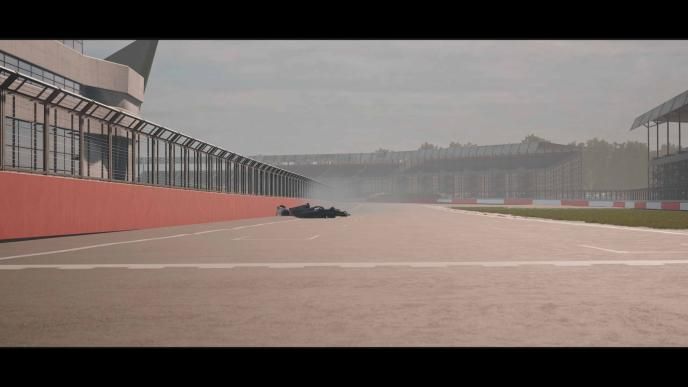
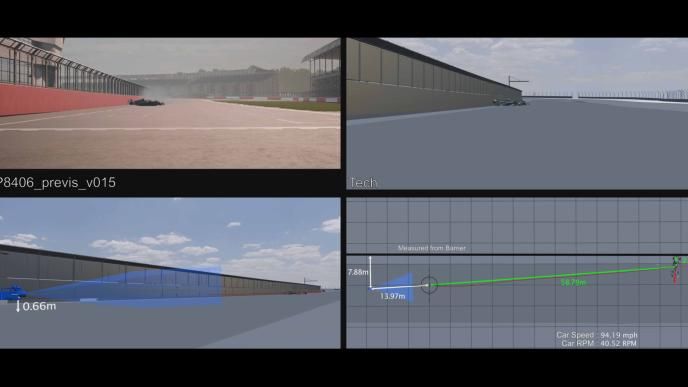
Using Unreal Engine, we could show how a shot would look with a certain mount or lens, and ensure everything felt grounded, even in high-risk sequences like the Monza rollover.
Pixel-Perfect Precision
One of the core goals of F1 was to keep audiences fully immersed, unaware of where reality ended and VFX began. This required a level of digital craftsmanship that went far beyond standard vehicle replacement. While the production's hero Apex car came with detailed CAD from Mercedes, recreating the grid of competitor cars presented a unique dilemma: in Formula 1, car designs are a closely guarded secret.


To solve this, Framestore's artists became digital detectives.
"Building the competitor cars was a unique challenge," explains VFX Supervisor Rob Harrington. "In F1, every design is a visual secret, so we didn't have the luxury of manufacturer CAD data. We combined incredibly high-resolution textured lidar with detailed on-set photography, allowing us to match individual stones on the track between the scan and the photos. This created a perfect camera track, from which we could deduce the car's 'hard points' and complex curved surfaces. The final test was projecting the original photography back onto our digital model; if it lined up well from any angle, we knew we had achieved a CG replica, ready for any shot.”
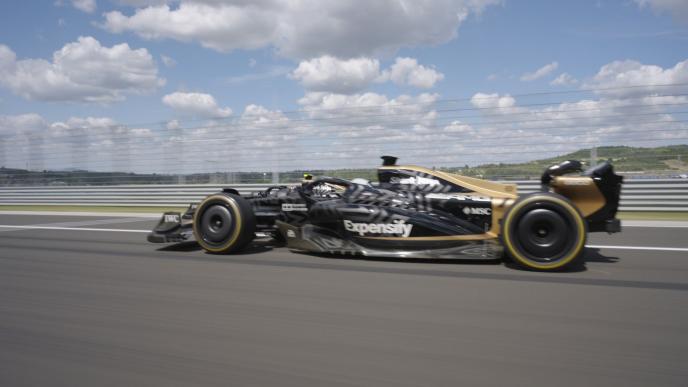
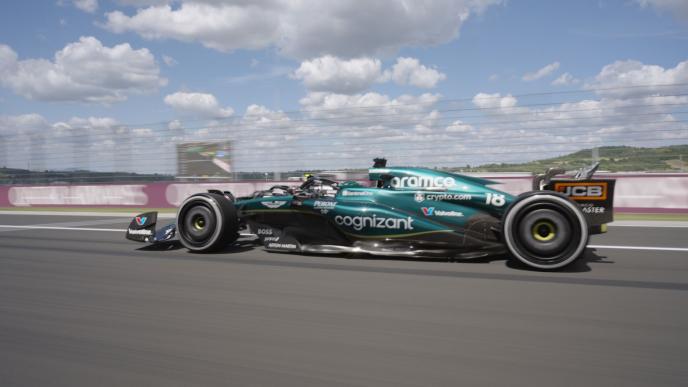
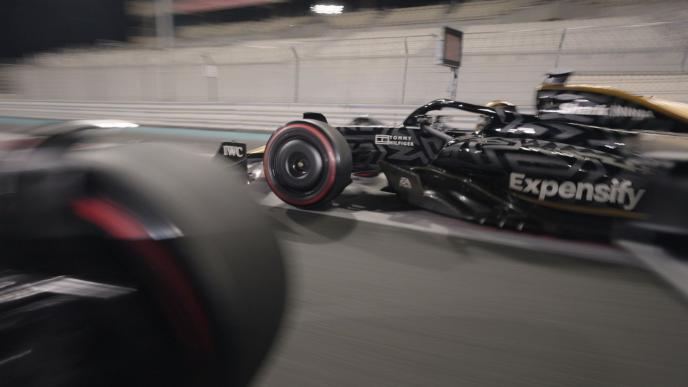
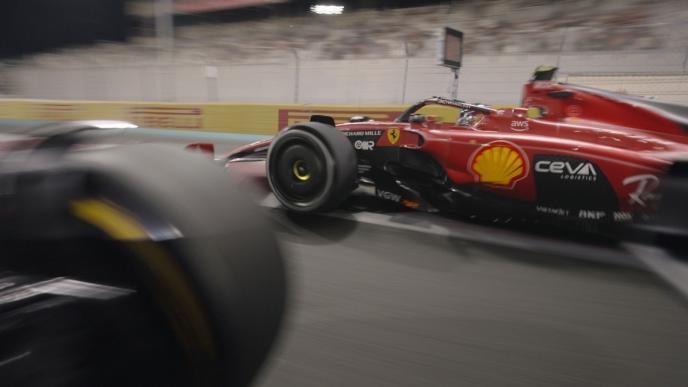
With these pixel-perfect CG assets, the team could seamlessly replace or add cars in any shot; from scenes where actors Brad Pitt and Damson Idris were driving, to choreographed stunt sequences using stand-in cars, and even augmenting official broadcast footage of a real race.


For scenes shot at empty racetracks, Framestore recreated everything from spectators to signage using digital doubles and scanned assets. Six full F1 tracks were LiDAR-scanned and textured via extremely high-resolution drone photography, to millimetre precision. Crowd shots were no less detailed. Framestore created digital spectators using reference photography from race weekends and custom performance capture, including facial animation. This gave production the freedom to shoot empty grandstands and fill them in later with realistic, venue-specific crowds, down to flags, attire and team colours.


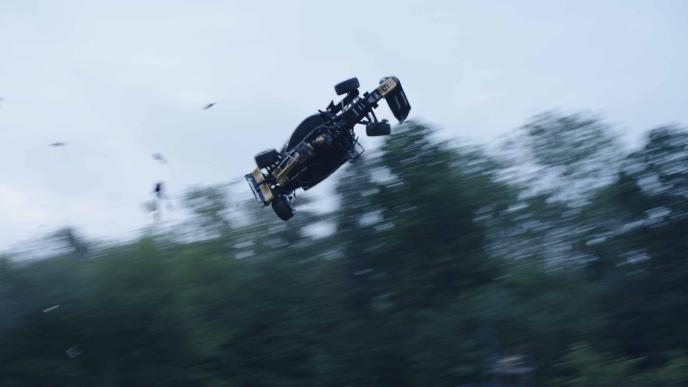
Crash sequences were grounded in real-world references, such as Alex Peroni’s F3 incident at Monza and Dario Franchitti’s Indycar wrecks. The team calculated telemetry from real events to drive the high-detail simulations: fractured carbon fibre, flying debris, gravel spray, fire-suppression foam, and disintegrating tires were all modelled and choreographed for maximum authenticity.
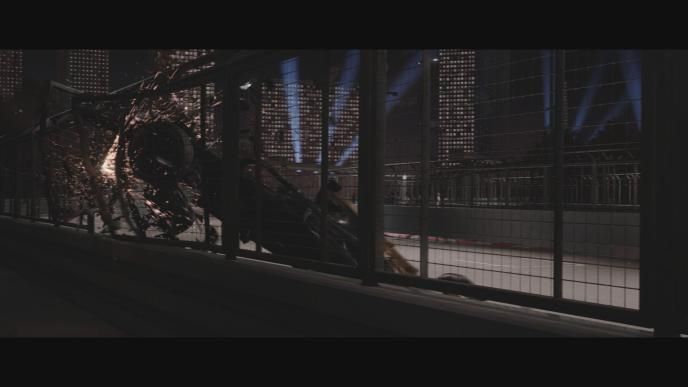
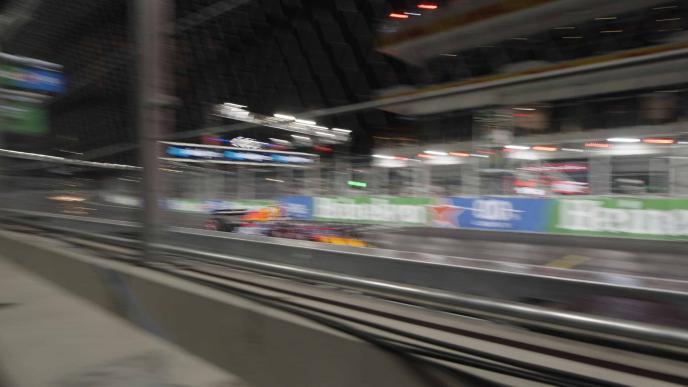
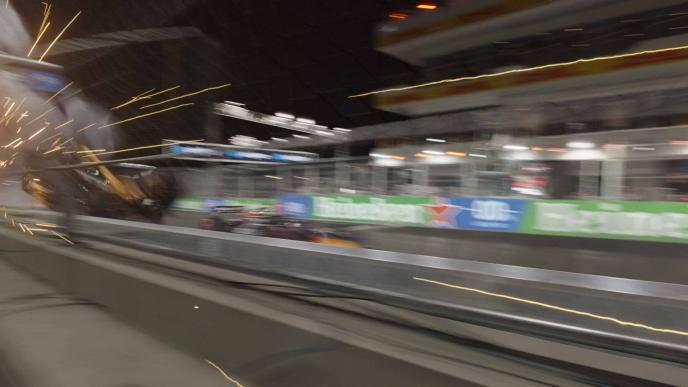
“Our task was absolute fidelity,” says VFX Supervisor Nicolas Chevallier. “Every element, from the telemetry-driven crash sims to the facial animations in the digital crowds, was obsessively calibrated for authenticity.
It wasn't just about creating pixels; it was about ensuring every pixel served the visceral immersion of the story.
Mastering Reality, Frame by Frame
Crucially, the film leans on actual race footage to achieve its signature authenticity. However, integrating archival and live broadcast material presented a monumental challenge. Unlike production cameras, broadcast cameras shoot at more than double the frame rate of film cameras and use lenses that can zoom to an equivalent of 3000mm with heavy real-time image stabilization. This combination required an extraordinary level of precision to track and manipulate.


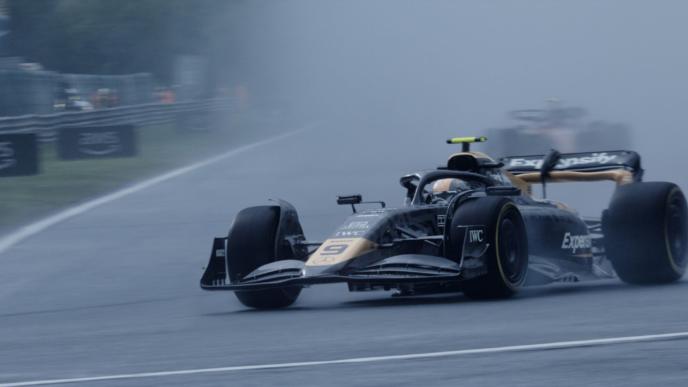
Some of our most convincing shots are real F1 footage where we swapped out the cars
“Because the camera work is by professionals whose lensing defines how audiences experience the sport, it carries a level of authenticity you can’t fake.”
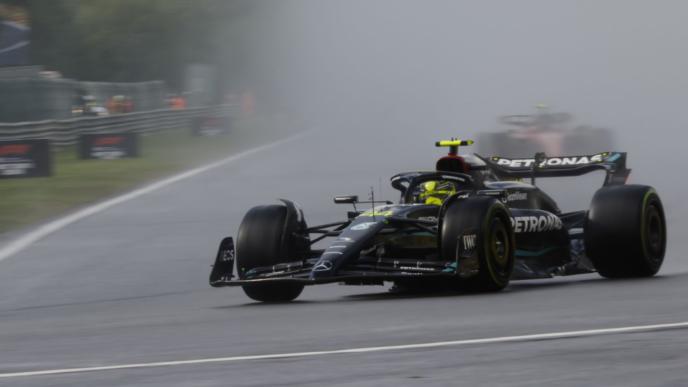
Framestore’s work went beyond car replacement to altering the environment itself. To place a car on a track where it was never filmed, the production used a bespoke eight-camera array, a solution engineered by Panavision based on Framestore's pre-shoot research. This allowed the team to rebuild an environment and seamlessly transplant a car from the straights of Silverstone into a sequence at the high-speed arena of Monza.
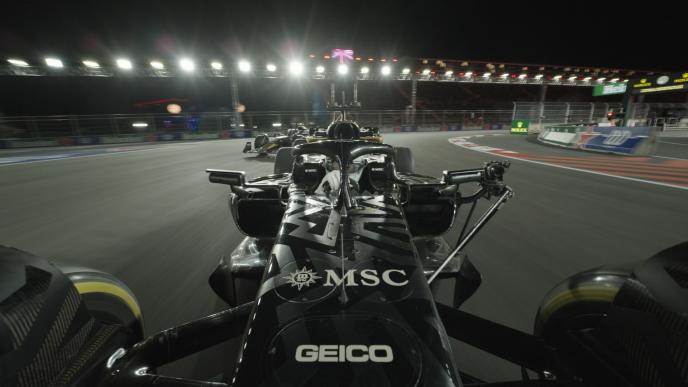
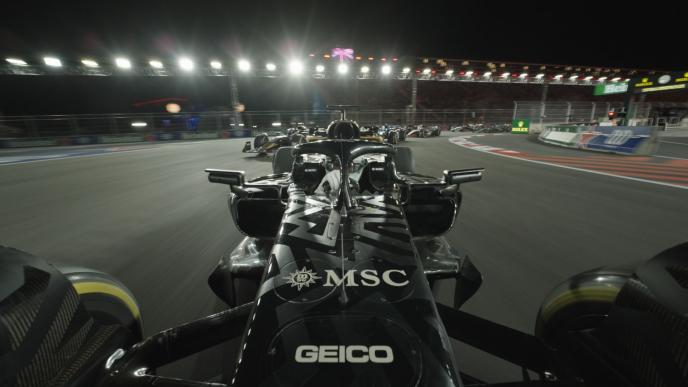
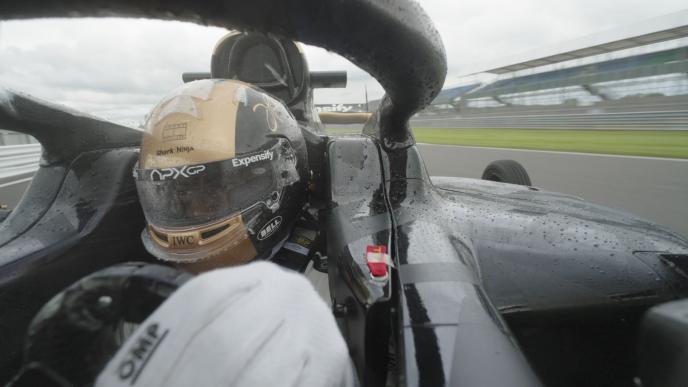
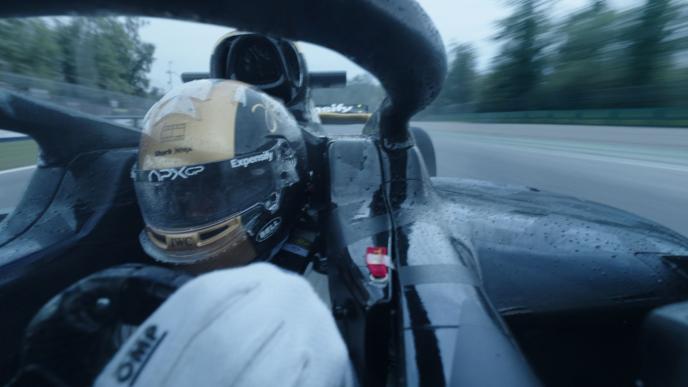
This technical foresight was critical for the film's climactic rain sequence. Based on Framestore’s pre-shoot R&D, the production could confidently film a dangerous stunt sequence in dry conditions, knowing the final look was already proven. Artists then applied a CG "wet-down" to the dry plates, overhauling how cars reacted to light and adding water droplets that responded to speed and direction. Fluid simulations drove the rooster tails and tire spray, while the asphalt itself was graded for a perfect wet, reflective finish, turning a safe, dry shoot into a perilous, rain-soaked spectacle.


An Invisible Hand on the Wheel
Blending diverse visual sources, from actual broadcast footage, archival race material, staged stunt sequences, and VFX, into a unified whole, posed one of Framestore’s most intricate challenges. This process required exhaustive tracking, meticulous animation accuracy, and constant coordination between teams.
"Tracking formed the backbone of our realism," says Tudhope. "Matching camera movements across varied sources involved continuous back-and-forth between tracking and animation, ensuring every motion felt genuine, precise, and matched the real-world speed and dynamics."
Across over 1,100 shots delivered by Framestore’s Montreal, London, and Mumbai studios, invisible visual effects consistently served the narrative immersion. Despite the project’s immense technical and creative demands, the ultimate goal remained consistent: visual effects so seamless they never call attention to themselves.
Yet Framestore’s contribution went beyond VFX. The studio delivered a versatile toolkit that empowered director Joseph Kosinski to shoot flexibly, shape race sequences editorially, and seamlessly address production challenges without ever sacrificing authenticity. Framestore’s creative agility, executed with surgical precision and profound respect for the craft, ensured the film’s visuals stood shoulder to shoulder with the thrilling sport they celebrate.
If our VFX is invisible, we’ve succeeded. The authenticity and visceral experience audiences feel is our ultimate validation.

Credits
Press
How Ryan Tudhope Made the VFX of ‘F1’ Blend Into the Background - The Wrap
'Your Cheat Sheet for How ‘F1’ Was Actually Shot' - IndieWire
'F1 The Movie, with VFX Supervisor Ryan Tudhope' - FXpodcast
'F1 The Movie' - Post Magazine
‘F1: The Movie’ VFX Supe Ryan Tudhope Takes Us Behind the Scenes - Animation Magazine
'fxpodcast: F1 The Movie, with VFX Supervisor Ryan Tudhope' - FX Guide
'Framestore Climbs Behind the Wheel for F1: The Movie' - VFX Voice
The art of re-skinning - Befores & Afters
Making of 'F1' with Director Joe Kosinski, VFX Supervisor Ryan Tudhope - The Creative + Tech Orbit
Shifting VFX Gears for ‘F1: The Movie’ - AWN
‘F1’ VFX team on the ‘dance’ between practical crashes and CG cars: ‘Everyone was passionate about the authenticity’ - Gold Derby